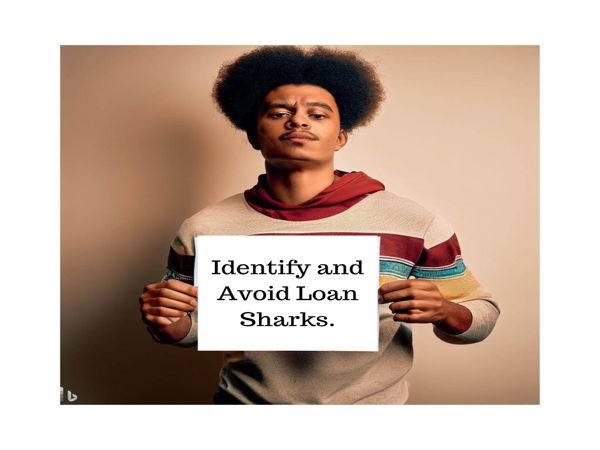

In today's fast-paced world, understanding how to manage your money effectively is more crucial than ever. Financial literacy isn't just for experts or the wealthy; it's a fundamental life skill that everyone needs to master. Whether you're just starting your career or planning for retirement, these 10 essential financial literacy skills will empower you to take control of your finances and build a secure future. Let's dive into the key concepts that will transform your relationship with money and set you on the path to financial success.
Budgeting Basics: The Foundation of Financial Health
At the core of financial literacy lies the ability to create and stick to a budget. A well-crafted budget helps you track income, expenses, and savings, providing a clear picture of your financial health. Start by listing all sources of income and categorizing your expenses. Use the 50/30/20 rule as a guideline: allocate 50% of your income to needs, 30% to wants, and 20% to savings and debt repayment.
Pro tip: Embrace digital tools like budgeting apps to automate the process and gain real-time insights into your spending habits.
- Saving Strategies: Building Your Financial Safety Net
Saving money is a crucial skill that protects you from financial emergencies and helps you achieve long-term goals. Begin by establishing an emergency fund that covers 3-6 months of living expenses. Then, set specific savings goals for major life events or purchases.
Automate your savings by setting up automatic transfers to a separate savings account on payday. This "pay yourself first" approach ensures you prioritize saving before spending on non-essentials.
2. Debt Management: Tackling Loans and Credit Cards Wisely
Understanding how to manage debt is essential for maintaining financial health. Start by organizing your debts, noting interest rates and minimum payments. Prioritize paying off high-interest debt first while maintaining minimum payments on other obligations.
Consider debt consolidation or balance transfer options to reduce interest charges. Remember, not all debt is bad – mortgages and student loans can be investments in your future when managed responsibly.
3. Credit Score Awareness: Your Financial Report Card
Your credit score plays a crucial role in your financial life, affecting everything from loan approvals to rental applications. Regularly check your credit report for errors and understand the factors that influence your score:
- Payment history (35%)
- Credit utilization (30%)
- Length of credit history (15%)
- Credit mix (10%)
- New credit inquiries (10%)
Aim to keep your credit utilization below 30% and always pay bills on time to maintain a healthy credit score.
4. Investment Fundamentals: Growing Your Wealth
Investing is key to building long-term wealth and achieving financial goals. Start by understanding different investment vehicles like stocks, bonds, mutual funds, and ETFs. Diversify your portfolio to spread risk and consider your risk tolerance and investment timeline when making decisions.
Take advantage of tax-advantaged accounts like 401(k)s and IRAs for retirement savings. Remember, investing is a long-term game – focus on consistent contributions and avoid making emotional decisions based on short-term market fluctuations.
5. Insurance Literacy: Protecting Your Assets and Future
Understanding different types of insurance and their importance is crucial for financial security. Key insurance types include:
- Health insurance
- Life insurance
- Auto insurance
- Homeowners/Renters insurance
- Disability insurance
Regularly review your coverage to ensure it meets your current needs and shop around for the best rates without sacrificing necessary protection.
5. Tax Planning: Maximizing Your Take-Home Pay
Navigating the tax system efficiently can significantly impact your financial well-being. Understand your tax bracket and take advantage of deductions and credits you're eligible for. Consider tax-efficient investment strategies and the impact of different income sources on your tax liability.
Stay organized throughout the year by keeping track of important documents and receipts. Consider consulting with a tax professional to optimize your tax strategy, especially as your financial situation becomes more complex.
6. Retirement Planning: Securing Your Golden Years
It's never too early to start planning for retirement. Understand the power of compound interest and start saving as early as possible. Take full advantage of employer-sponsored retirement plans, especially if they offer matching contributions.
Consider diversifying your retirement savings with a mix of pre-tax (traditional) and post-tax (Roth) accounts. Regularly review and adjust your retirement strategy as your life circumstances and financial goals evolve.
7. Financial Goal Setting: Mapping Your Financial Journey
Setting clear, achievable financial goals is essential for long-term success. Use the SMART framework to create goals that are Specific, Measurable, Achievable, Relevant, and Time-bound. Break larger goals into smaller, manageable milestones to maintain motivation and track progress.
Regularly review and adjust your goals as your life circumstances change. Celebrate your achievements along the way to stay motivated on your financial journey.
8. Economic Literacy: Understanding the Bigger Picture
Having a basic understanding of economic concepts helps you make informed financial decisions. Stay informed about key economic indicators like inflation rates, GDP growth, and unemployment figures. Understand how these factors can affect your personal finances, from the interest rates on your loans to the value of your investments.
Develop a habit of reading reputable financial news sources to stay updated on economic trends and policy changes that may impact your financial strategies.
Conclusion:
Mastering these 10 essential financial literacy skills will empower you to take control of your financial future. Remember, financial literacy is a journey, not a destination. Continually educate yourself, stay informed about changes in the financial landscape, and be willing to adjust your strategies as needed. By developing these skills and applying them consistently, you'll be well-equipped to navigate life's financial challenges and opportunities with confidence. Start implementing these skills today, and watch as your financial well-being transforms, setting you on the path to long-term prosperity and peace of mind.
.jpg)