Amina had always been a cautious shopper, preferring to visit local markets in her hometown of Ibadan, Nigeria. However, when her friend Bola introduced her to the world of online shopping, Amina was intrigued. The convenience of browsing through endless options from the comfort of her home was too tempting to resist. But little did she know that her journey into the world of online shopping would come with its own set of challenges and lessons.
The Excitement of the First Purchase
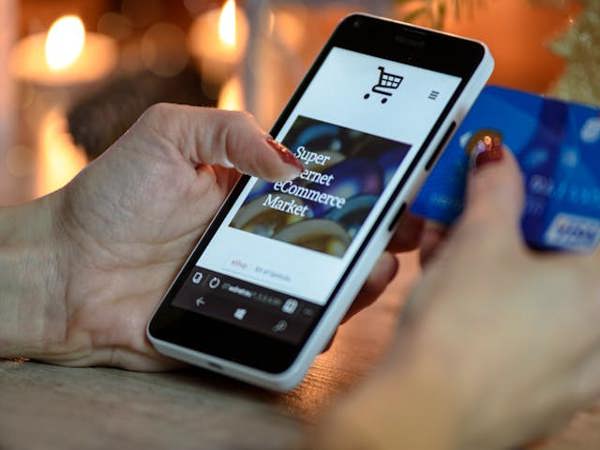
Amina's first online purchase was a pair of stylish Ankara shoes she had been eyeing for months. She found a website that offered them at a discounted price and immediately placed her order. The process was smooth, and within days, the shoes arrived at her doorstep. Thrilled by the convenience, Amina began exploring more online shopping platforms, including popular Nigerian sites like Jumia, Konga, and PayPorte.
But as Amina's confidence in online shopping grew, so did the risks. One day, while browsing for a new dress on a social media page, she stumbled upon an Instagram boutique offering a stunning gown at an unbelievably low price. Without thinking twice, she contacted the seller, who asked her to transfer the payment directly to a personal bank account. Trusting the seller's sweet words, Amina made the payment. Days passed, but the dress never arrived. The seller's account was suddenly deactivated, and Amina realized she had been scammed.
Lesson 1: Always Verify the Seller
Amina's experience with the Instagram boutique taught her the importance of verifying sellers before making any payments. In Nigeria, where online scams are prevalent, it's crucial to shop from reputable websites or verified sellers on platforms like Jumia or Konga. These platforms have measures in place to protect buyers, such as customer reviews, ratings, and secure payment options.
After her unfortunate experience, Amina decided to stick to well-known online stores. However, she soon encountered another challenge. While shopping on a website, she noticed that the website's address started with "http" instead of "https." Unaware of the significance, Amina proceeded to enter her credit card details. A few days later, she received an alert from her bank—someone had attempted to withdraw money from her account. Thankfully, the transaction was blocked, but Amina was shaken.
Lesson 2: Look for Secure Websites
Amina's close call was a reminder of the importance of shopping on secure websites. In Nigeria, cybercriminals often create fake websites that look identical to legitimate ones to steal personal and financial information. One way to ensure a website is secure is to look for "https" in the website's URL, with the "s" standing for "secure." Additionally, a padlock symbol next to the URL indicates that the site uses encryption to protect your data.
Determined not to fall victim again, Amina researched online shopping safety tips. She learned that using public Wi-Fi while shopping online could expose her to hackers who could intercept her data. This realization hit home one day when Amina was shopping for groceries online while connected to a café's free Wi-Fi. Later that evening, she received a text message from her bank notifying her of an unusual login attempt.
Lesson 3: Avoid Shopping on Public Wi-Fi
Public Wi-Fi networks in Nigeria, such as those in cafés, airports, and malls, are often unsecured, making them a prime target for hackers. Amina learned that it's safer to shop online using a secure, private Wi-Fi network, such as the one at home. If she had to use public Wi-Fi, she could use a Virtual Private Network (VPN) to encrypt her connection and protect her data.
As Amina became more knowledgeable, she began sharing her tips with friends and family. Her younger brother, Tunde, was particularly interested. He had just started a small business and was looking to buy equipment online. However, he was worried about sharing his personal information on various websites. Amina advised him to enable two-factor authentication (2FA) on his online shopping accounts.
Lesson 4: Use Two-Factor Authentication (2FA)
Two-factor authentication adds an extra layer of security to your online accounts. In addition to entering your password, 2FA requires you to verify your identity through a second method, such as a code sent to your phone. This makes it much harder for hackers to access your account, even if they manage to steal your password. Tunde followed Amina's advice and felt more secure while shopping online.
One day, Amina received an email that appeared to be from her favorite online store, offering a huge discount on electronics. The email included a link that directed her to a website where she was asked to enter her personal and payment information to claim the offer. Suspicious of the email's authenticity, Amina decided to investigate further.
Lesson 5: Be Wary of Phishing Scams
Phishing scams are common in Nigeria, where cybercriminals send fraudulent emails or messages pretending to be from legitimate companies. These emails often contain links to fake websites designed to steal your personal information. Amina knew that genuine companies wouldn't ask for sensitive information via email. She checked the sender's email address and noticed it was slightly different from the company's official address. To be safe, she deleted the email and reported it as spam.
As Amina continued her online shopping journey, she became more cautious and aware of the potential risks. She also discovered the importance of monitoring her bank statements regularly for any unauthorized transactions. This habit saved her one day when she noticed a small, unfamiliar charge on her account. She immediately contacted her bank, and the issue was resolved before any significant damage was done.
Lesson 6: Monitor Your Bank Statements
Regularly checking your bank statements can help you spot unauthorized transactions early. In Nigeria, where online fraud is on the rise, being vigilant about your financial activity is crucial. Amina made it a habit to review her statements at least once a week, ensuring that all transactions were legitimate.
Amina's final lesson came when she realized that she had been using the same password across multiple online shopping accounts. She knew this was risky, as a hacker who gained access to one account could easily access others. To protect herself, Amina decided to use a password manager.
Lesson 7: Use Strong, Unique Passwords
Amina learned that using strong, unique passwords for each online account is essential for security. A password manager can help generate and store complex passwords, making it easier to keep track of them. In Nigeria, where password reuse is common, this tool was a game-changer for Amina, giving her peace of mind while shopping online.
Conclusion: Amina's Journey to Online Shopping Safety
Amina's journey into the world of online shopping was filled with excitement, challenges, and valuable lessons. By learning from her experiences and taking the necessary precautions, Amina was able to enjoy the convenience of online shopping while keeping her personal and financial information safe. Her story serves as a reminder to all Nigerians to be cautious and informed when navigating the digital marketplace. By following these safety tips, you too can shop online with confidence, knowing that you are protected from the dangers that lurk in the virtual world.
.jpg)