My name is Chinedu, and I’ve always considered myself tech-savvy. I’ve navigated the digital world with ease, paying bills online, shopping on e-commerce sites, and even managing my bank accounts through mobile apps. But one day, I came dangerously close to losing everything, all because of a single email. This is the story of how I learned to spot phishing emails, and how you can too.
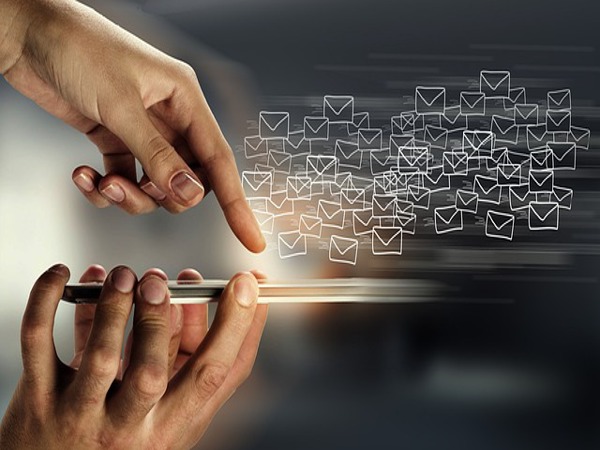
The Day It All Began: It was a typical Tuesday morning in Lagos. I was going through my emails, deleting the usual spam and reading through work-related messages. Then, one email caught my eye. It was from what appeared to be my bank, stating that there was an issue with my account and that I needed to verify my information immediately to avoid a lockout.
The email looked legitimate at first glance. It had the bank’s logo, the right colors, and even a friendly greeting using my first name. Panic set in, and without thinking, I clicked on the link provided in the email.
The Moment of Realization: The link took me to a website that looked just like my bank’s login page. I was about to enter my details when something felt off. The URL in the address bar wasn’t the usual bank website I knew. Instead of ending in the bank’s domain, it was a jumble of letters and numbers. My heart raced as I realized I was on a fake site—a phishing site designed to steal my login credentials.
I immediately closed the page, but the damage was already done. I had nearly given my banking information to a criminal.
Step-by-Step Solutions:
Slow Down and Verify:
- Don’t Rush: The first lesson I learned was to never act out of panic. Phishing emails often create a sense of urgency to trick you into acting without thinking. Take a deep breath, slow down, and examine the email carefully.
- Verify the Source: Always check the sender’s email address. In my case, the email was sent from an address that looked similar to my bank’s, but with slight variations. If you’re unsure, don’t click on any links or download any attachments.
Check for Red Flags:
- Suspicious URLs: Always hover over links in emails before clicking on them. A legitimate link will usually direct you to the bank’s official website, not a random series of characters or a different domain.
- Poor Grammar and Spelling: Phishing emails often contain grammatical errors or awkward phrasing. In my case, I noticed some unusual phrases that didn’t match the professional tone of my bank.
- Generic Greetings: While my phishing email used my first name, many others use generic greetings like "Dear Customer." Be wary of emails that don’t address you personally.
Never Provide Personal Information:
- Sensitive Data: Legitimate organizations, especially banks, will never ask for sensitive information like passwords, PINs, or social security numbers via email. If an email asks for this, it’s a scam.
- Multi-Factor Authentication: Enable multi-factor authentication on your accounts whenever possible. This adds an extra layer of security, making it harder for hackers to access your information, even if they have your password.
Report and Delete:
- Report the Email: After realizing I was nearly scammed, I immediately reported the email to my bank’s fraud department. They confirmed it was a phishing attempt and thanked me for the report.
- Delete the Email: Don’t keep phishing emails in your inbox. Delete them to avoid any future temptation to click on them.
Educate Yourself and Others:
- Stay Informed: Cybercriminals are constantly evolving their tactics. It’s important to stay informed about the latest phishing schemes and how to avoid them.
- Share Knowledge: After my experience, I made it a point to educate my friends and family about phishing emails. Awareness is the first step in preventing these scams.
Conclusion: I was lucky that I didn’t fall for the phishing scam that day. However, many people aren’t as fortunate. In Nigeria, where digital banking and online transactions are becoming more common, phishing scams are on the rise. By following the steps I’ve outlined, you can protect yourself from falling victim to these schemes. Remember, if something feels off, it probably is. Trust your instincts, and always verify before you act.
.jpg)