
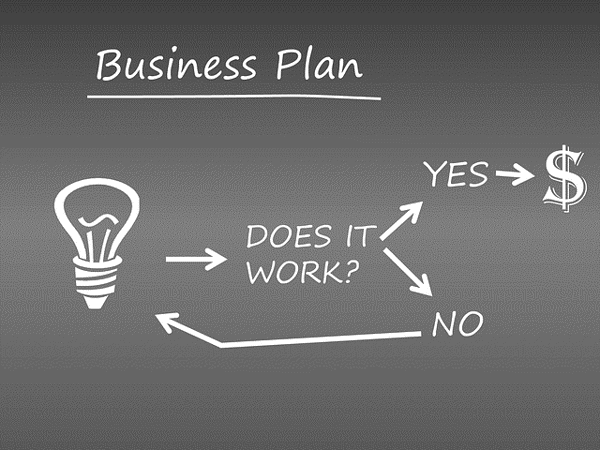
Starting a new business can be exciting, but it requires careful planning to turn that excitement into a profitable venture. A well-thought-out business plan serves as a roadmap for your startup, helping you navigate potential challenges, secure funding, and set realistic goals. In this guide, we'll walk you through the essential steps to create a winning business plan for your startup.
Why You Need a Business Plan
A business plan is not just a document to present to investors or banks for funding; it's a strategic tool that helps you understand your market, plan your finances, and set milestones. It’s your guide for managing and growing the business effectively.
Step-by-Step Guide to Creating a Business Plan
1. Executive Summary
The executive summary is a concise overview of your entire business plan. Although it comes first, it's often best to write it last, after you’ve detailed the other sections of your plan.
What to Include:
- A brief description of your business and its mission.
- The products or services you offer.
- The target market and why your business will succeed.
- A summary of your financial projections.
- Information on funding requirements if applicable.
Example: Let’s say you’re starting an organic food delivery service in Lagos. Your executive summary might include how your service targets busy professionals who prefer organic, farm-to-table options and the gap you’re filling in the market.
2. Business Description
This section provides more detail about your business, including what problem your business solves and how it operates.
What to Include:
- A brief history (if applicable) and the mission of your startup.
- An explanation of the products or services you provide.
- The business structure (sole proprietorship, partnership, corporation).
- The goals and objectives of the business.
Example: For the organic food delivery service, explain the growing demand for organic produce in urban areas and how your business aims to deliver fresh, locally-sourced food to customers' doorsteps.
3. Market Research and Analysis
Thorough market research helps you understand your industry, competitors, and target customers. This section demonstrates that you've carefully analyzed the market and have strategies to position your business for success.
What to Include:
- The size of your target market.
- Key trends affecting your industry.
- A competitive analysis outlining your competitors and how your business stands out.
- Target audience demographics.
Example: For an organic food business, you might highlight the increasing trend of health-conscious individuals and the lack of delivery services catering specifically to organic products. Analyze competitors like grocery delivery services and explain how you’re different.
4. Organization and Management
Here, you'll outline your company’s organizational structure and introduce the key people involved in the business. If you’re seeking investment, potential investors will want to know about the experience and qualifications of the people behind the company.
What to Include:
- Organizational chart (if applicable).
- Brief bios of the management team or partners.
- Roles and responsibilities within the company.
Example: In an organic food delivery business, you may highlight the founder’s background in food science and nutrition, and your operations manager’s logistics expertise.
5. Products or Services
In this section, describe the products or services your business will offer in detail. Explain how your offering solves a problem or meets a need for your target audience.
What to Include:
- A detailed description of your products or services.
- The pricing model.
- Any research and development activities you’ve conducted.
- Future product or service plans.
Example: For the organic food delivery business, describe the types of produce you offer, the subscription model for customers, and any add-ons like meal prep services.
6. Marketing and Sales Strategy
This is where you outline how you plan to attract customers and grow your business. Include your pricing strategy, promotional tactics, and sales process.
What to Include:
- Your value proposition and unique selling point (USP).
- Marketing channels (social media, email marketing, word-of-mouth).
- Sales funnel (how you plan to convert prospects into customers).
- Advertising strategies (Google Ads, Facebook Ads, etc.).
Example: For the organic food delivery service, you may target busy professionals through digital marketing, using social media ads to promote convenience and quality. Partnering with local gyms and wellness centers can help boost sales.
7. Funding Request (If Applicable)
If you're seeking financing, this section outlines how much capital you need and what you plan to do with it. Be specific, as potential investors or lenders will want to know exactly how their money will be used.
What to Include:
- The amount of funding needed.
- How you plan to use the funds (equipment, marketing, hiring).
- Future financial plans like debt repayment or reinvestment.
Example: If your organic food delivery startup needs N2,000,000 for marketing, vehicle purchases, and website development, break down how each amount will be allocated.
8. Financial Projections
Financial projections give insight into the potential profitability and sustainability of your business. You’ll want to include projected income, expenses, and cash flow for at least the next 3 to 5 years.
What to Include:
- Profit and loss forecast.
- Cash flow statement.
- Break-even analysis.
- Sales forecast.
Example: For the organic food delivery service, provide projections for monthly deliveries, customer growth, and recurring revenue from subscription plans.
9. Appendix (Optional)
The appendix contains any additional documentation that supports your business plan. This could include permits, patents, product images, and other important documents.
What to Include:
- Resumes of key team members.
- Any legal agreements or contracts.
- Product illustrations or photos.
Tips for Writing a Winning Business Plan
- Keep it clear and concise: Avoid jargon or overly complex explanations. Make sure anyone who reads the plan can understand it.
- Be realistic: When outlining your financial projections and goals, be ambitious but realistic. Overestimating your revenue or underestimating your expenses can backfire.
- Tailor it to your audience: If you’re presenting the business plan to investors, focus on profitability and potential return on investment (ROI). If it's for internal use, concentrate on how the business will operate and grow.
- Update regularly: A business plan isn’t set in stone. As your startup grows and the market evolves, you may need to revisit and update your plan to reflect new goals and challenges.
Conclusion
Creating a winning business plan is one of the most important steps in starting a successful business. It provides a clear path for how you’ll reach your business goals, helps you anticipate challenges, and demonstrates to investors or partners that your business is viable. By following the steps outlined above, you'll be on your way to building a strong foundation for your startup.
.jpg)