Let me take you on a journey—a rather stressful one, but one that I believe is essential for anyone living in Nigeria today, especially if you use loan apps or handle any kind of financial transactions online. My name is Nkechi, and just a few months ago, I found myself in a situation that I wouldn’t wish on my worst enemy: a ransomware attack.
The Unexpected Encounter
It all started on a quiet Saturday morning. I had just settled into my small office in Abuja to catch up on some work. My business was just picking up, and I was juggling multiple financial commitments. Naturally, I relied heavily on loan apps to keep things running smoothly. That morning, I decided to check my email, only to find what looked like an official message from one of the loan apps I was using. The email claimed there was an urgent update that needed to be installed to avoid account suspension.
Without thinking twice, I clicked on the link provided in the email. The page that opened seemed legitimate, so I downloaded the “update.” Little did I know that I had just opened the door to a ransomware attack that would turn my life upside down.
The Devastation
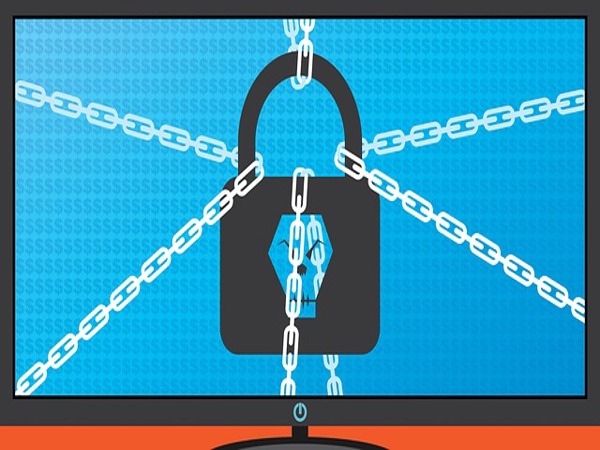
Within minutes, my computer froze. A message popped up on the screen: “Your files have been encrypted. Pay 5 BTC to the following address to regain access.” I was in shock. My entire financial history, including sensitive documents related to my loan apps, was locked away, and I couldn’t access anything.
The attackers demanded an amount in Bitcoin that I couldn’t afford, and even if I could, there was no guarantee they would release my files. I felt utterly helpless, and my mind raced with thoughts of what this meant for my business, my finances, and my personal life.
Understanding Ransomware
For those who might not be familiar, ransomware is a type of malware that encrypts your files, making them inaccessible until you pay a ransom to the attacker. In Nigeria, where cyber security measures are still catching up with the rapid pace of digital adoption, ransomware attacks are becoming increasingly common. This is especially true for individuals and small businesses that may not have the resources to invest in advanced security systems.
In my case, the ransomware didn’t just target my computer—it went after my financial data. This included everything from bank statements to loan agreements stored on my system. The attackers knew what they were doing, and they knew exactly how to make me panic.
Step-by-Step Solutions: Protecting Your Financial Data
I wouldn’t want anyone else to go through what I did, so here are some steps I’ve learned to protect yourself from ransomware, especially when dealing with financial data and loan apps.
Be Wary of Phishing Emails:
- Always verify the source of any email before clicking on links or downloading attachments. If something seems off, contact the company directly through their official website or app.
- In Nigeria, phishing attacks often mimic trusted institutions. Don’t fall for it—take a moment to double-check.
Backup Your Data Regularly:
- One of the biggest lessons I learned was the importance of regular backups. Use an external hard drive or a secure cloud service to back up your files regularly. This way, even if you’re hit by ransomware, you won’t lose everything.
- For those using loan apps, make sure to back up your loan agreements and any important financial documents in a secure location.
Invest in a Reliable Anti-Malware Solution:
- Don’t skimp on security software. Invest in a reputable anti-malware program that includes ransomware protection. This is your first line of defense against attacks.
- Ensure that your security software is updated regularly to protect against the latest threats.
Keep Your Software Updated:
- Software updates aren’t just about new features—they often include patches for security vulnerabilities. Keep your operating system, browsers, and loan apps updated to reduce the risk of a ransomware attack.
- In Nigeria, where software piracy is common, make sure you’re using legitimate software to avoid hidden malware.
Use Strong Passwords and Enable 2FA:
- Protect your accounts with strong, unique passwords, and enable two-factor authentication (2FA) wherever possible. This adds an extra layer of security to your financial data and loan app accounts.
- Don’t use the same password across multiple sites or apps. If one is compromised, they all are.
Educate Yourself and Others:
- Knowledge is power. Educate yourself about the latest cyber threats, and don’t hesitate to share this information with friends, family, and colleagues. The more people know, the harder it becomes for attackers to succeed.
The Recovery
Recovering from the ransomware attack was a long and painful process. I had to hire professionals to help me restore what I could and secure my systems against future attacks. I was lucky enough to have some backups, which saved me from complete disaster, but I still lost valuable time and resources.
The experience changed the way I approach cyber security. I’m now much more cautious, and I’ve implemented all the steps I mentioned above. My advice to anyone, especially in Nigeria where these threats are becoming more prevalent, is to take cyber security seriously—before it’s too late.
Conclusion: A Hard Lesson Learned
If there’s one thing I’ve learned from this experience, it’s that cyber threats are real, and they can happen to anyone. Ransomware doesn’t discriminate, and in Nigeria, where digital financial transactions are on the rise, we’re all at risk.
Take the steps I’ve outlined to protect your financial data. Don’t wait until you’re in a situation like mine, staring at a locked screen with your life’s work on the line. Protect yourself now, and stay safe in this digital age.
.jpg)