
When Amaka first got a smartphone, she was ecstatic. It was a gift from her husband, who believed it would help her manage their finances better. With two children and a growing family business in Lagos, staying on top of expenses was crucial. Amaka quickly downloaded several financial apps, thinking they would simplify her life. Little did she know, this digital convenience could come with serious risks if not handled properly.
The First Warning Signs
One evening, as Amaka was scrolling through her messages, she noticed an unfamiliar email. The subject line read, "Urgent: Update Your Bank Account Details Now." The email seemed legitimate, bearing the logo of her bank and a link directing her to a website that looked almost identical to the bank’s official site. But something felt off. The grammar was slightly incorrect, and the urgency seemed exaggerated.
Trusting her instincts, Amaka didn’t click on the link. Instead, she called her bank’s customer service. They confirmed that the email was indeed a phishing attempt—a scam designed to steal her personal and financial information. This was Amaka’s first real encounter with the dangers of the digital world, and it was a wake-up call. She realized that protecting her family’s financial information online was just as important as managing it.
Educating the Family
Amaka sat down with her husband and two children to discuss what had happened. She emphasized the importance of being cautious with online interactions, especially when it involved financial information. They decided to establish some family rules for safe online behavior:
Verify Before You Click: Amaka taught her children never to click on links in unsolicited emails or messages, especially those claiming to be from banks or financial institutions. They learned to verify the authenticity of such communications by contacting the institution directly through official channels.
Strong Passwords Are Essential: The family decided to update all their online accounts with stronger passwords. Amaka explained that using a combination of letters, numbers, and special characters could make their accounts less vulnerable to hackers. They also agreed to avoid using the same password across multiple accounts.
Two-Factor Authentication (2FA): Amaka activated 2FA on all accounts that offered it. This added layer of security meant that even if someone managed to get hold of their password, they would still need a second form of verification to access the account.
Regular Monitoring of Accounts: Amaka began checking her bank statements and online transactions more frequently. She set up alerts for any unusual activity, ensuring that she would be notified immediately if something seemed off.
Real-Life Examples and Practical Steps
One day, Amaka's son, Chinedu, came home excited about a new game app his friends were using. The app promised rewards and in-game purchases at discounted rates. Before downloading it, Amaka reminded Chinedu of the family rules. Together, they researched the app, read reviews, and found out that it was not listed on the official app store but was available through a third-party website. This raised a red flag, and they decided against downloading it.
Amaka also shared her story with her church group, where she learned that some members had fallen victim to online scams. One woman recounted how she had almost lost her savings to a fake investment app that promised high returns. These real-life examples reinforced the importance of vigilance and safe online practices.
The Role of Loan Apps and Financial Tools
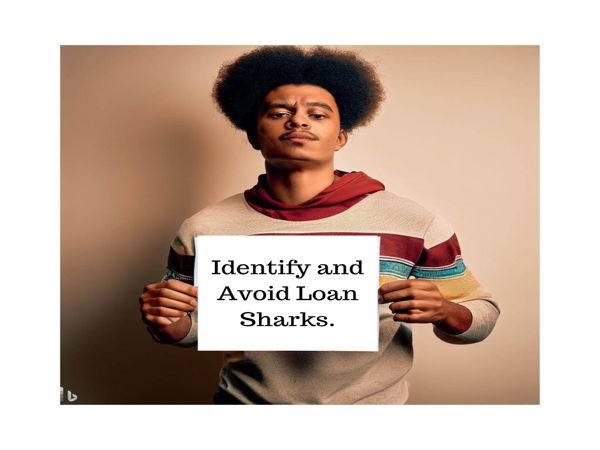
In Nigeria, where access to quick loans through apps is becoming increasingly popular, Amaka knew she had to be extra careful. She had heard stories of people falling into debt traps with high-interest rates and aggressive debt collection practices. Amaka and her husband decided to stick with reputable financial institutions and avoid using unknown loan apps. They also ensured that any app they used was approved by regulatory bodies like the FCCPC or CBN.
Building a Financially Literate Family
Amaka didn’t want her children to fear the internet but rather to use it wisely. She started teaching them about budgeting, saving, and investing. They even set up a small family savings plan where everyone contributed a little each month. This not only taught the children the value of money but also how to manage it responsibly.
Amaka’s journey toward safe online financial habits wasn’t just about avoiding scams; it was about empowering her family with the knowledge and tools to navigate the digital world securely. By being proactive and cautious, Amaka ensured that her family’s finances were protected, allowing them to enjoy the benefits of technology without falling prey to its dangers.
.jpg)