Navigating the Risks: What Happens When You Can't Pay a Loan Shark in Nigeria

Navigating the Risks: What Happens When You Can't Pay a Loan Shark in Nigeria
Details

In the pursuit of financial stability, many Nigerians may find themselves tempted by the quick relief promised by loan sharks. However, what happens if you don't pay a loan shark is a serious concern that demands attention. This article aims to shed light on the potential consequences of non-payment and provide insights into navigating this precarious situation in Nigeria.

Understanding Loan Shark Dynamics: Loan sharks, often unlicensed lenders, operate outside legal frameworks and resort to predatory practices. Their business model thrives on high-interest rates, aggressive debt collection methods, and a lack of transparency. When borrowers struggle to meet repayment obligations, the repercussions can be severe.

Immediate Consequences of Non-Payment: Loan sharks are notorious for their swift and harsh reactions to non-payment. Borrowers who miss payments may face incessant harassment, threatening messages, and intimidation tactics. These lenders often exploit fear as a tool to coerce repayment, making the borrower's life incredibly stressful.

Escalation to Violence and Threats: In extreme cases, loan sharks may escalate their tactics to physical violence or threats against the borrower and their loved ones. This creates an environment of fear and can lead individuals into a cycle of desperation, feeling trapped with no apparent way out.

Legal Implications for Loan Shark Borrowers: Contrary to the threats made by loan sharks, non-payment of loans to unlicensed lenders is not a criminal offense in Nigeria. Borrowers are protected by law, and any attempt by loan sharks to pursue legal action is baseless. Understanding this legal safeguard is crucial for borrowers facing harassment.

Taking Control: What to Do if You Can't Repay: If you find yourself unable to repay a loan shark, it's essential to take control of the situation. Report the harassment and threats to local authorities, such as the police or relevant regulatory bodies. Seeking legal advice can help in understanding your rights and establishing a defense against unscrupulous lenders.

Seeking Support from Consumer Protection Agencies: In Nigeria, the Federal Competition and Consumer Protection Commission (FCCPC) plays a vital role in safeguarding consumers. Reporting the activities of loan sharks to this agency can contribute to a broader effort to curb illegal lending practices and protect the rights of borrowers.

Exploring Debt Relief and Counseling Services: For individuals overwhelmed by debt, seeking assistance from reputable debt relief and counseling services is a proactive step. These organizations can provide guidance on managing debt, negotiating with creditors, and exploring viable solutions tailored to the Nigerian context.

Conclusion: Understanding the consequences of not paying a loan shark is the first step toward reclaiming control over your financial well-being. By reporting illegal practices, seeking legal advice, and exploring support from consumer protection agencies, Nigerians can break free from the cycle of harassment and intimidation perpetuated by loan sharks. Remember, knowledge is power, and protecting your rights is paramount on the journey to financial resilience.

Comments 0
Write a comment
Related Posts
It is never advisable to take up loans without first having a repayment plan
2,724 views
View details
Avoiding Loan Sharks: Protect Yourself from Unprofessional Lenders in Nigeria
3,577 views
View details
Names of loan apps approved by the FCCPC or CBN that are legally permitted to operate in Nigeria.
17,071 views
View details
How to Identify and Avoid Loan Sharks: A Comprehensive Guide
6,023 views
View details
FAQ
Chime
Chime

Chime bills itself as the antidote to traditional banking—no monthly fees, no overdraft fees, no minimum balance requirements

View Details
Varo
Varo

Varo is unusual in the fintech world: it's not just an app that partners with a bank, it is a bank. In 2020, Varo became the first US consumer fintech to receive a national bank charter from the Office of the Comptroller of the Currency (OCC) . This means your money is FDIC-insured directly through Varo, not through a middleman bank

View Details
Possible Finance
Possible Finance

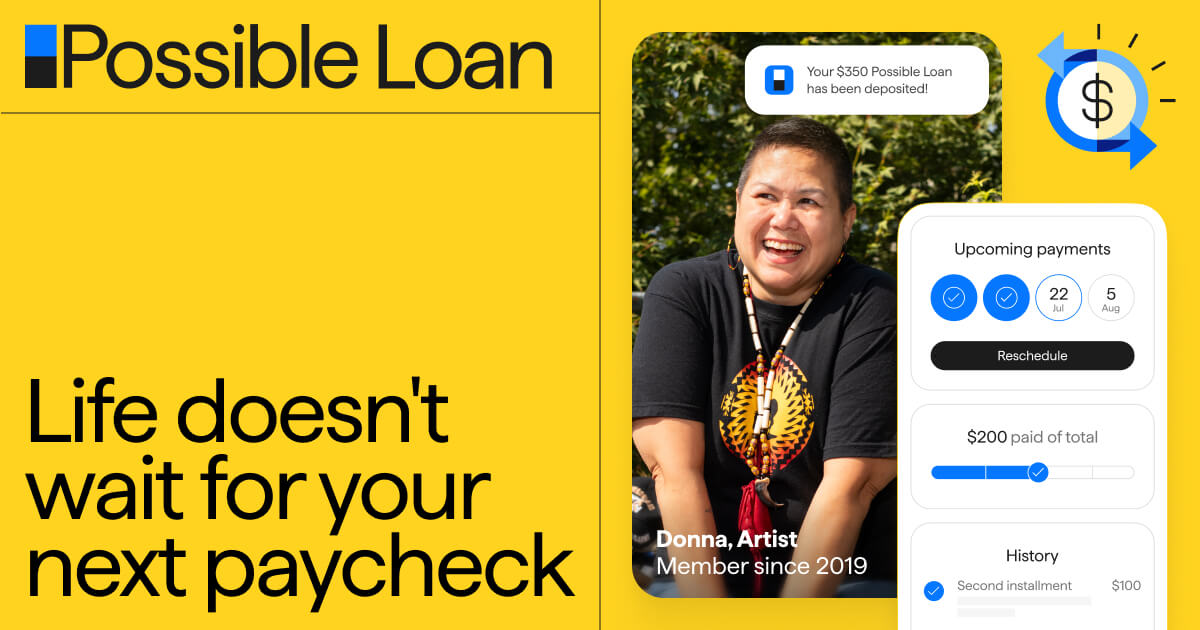
The elevator pitch: Possible Finance is a fintech company that offers small-dollar installment loans (up to $500) and cash advances (up to $300) with no credit check, no late fees, and no rollover charges. It positions itself as the "good guy" alternative to payday loans.

View Details
Albert
Albert

Let's be real for a second. Personal finance is overwhelming. You've got bills, subscriptions, savings goals, maybe some investing you've been meaning to start, and that constant nagging question: "Where did all my money go this month?" It's in this chaos that apps like Albert try to position themselves as the hero.

View Details
CashApp
CashApp

Cash App is a financial ecosystem developed by Block, Inc. (formerly Square). Launched in 2013 as Square Cash, the app is trusted by over 58 million people for sending money instantly, banking, investing, saving, and buying bitcoin . It has evolved from a simple peer-to-peer payment tool into a comprehensive financial platform that competes fiercely with PayPal and Venmo

View Details
Klover
Klover

Klover is a financial technology company launched in 2019 and based in Chicago, Illinois . The company operates a mobile app that provides users with interest-free cash advances by leveraging consumer-permissioned data

View Details
MoneyLion
MoneyLion

MoneyLion is a financial technology company that positions itself as a one-stop shop for banking, investing, borrowing, and credit-building . Since its founding in 2013, the platform has grown to serve millions of customers, offering a suite of products designed to make financial services more accessible.

View Details
PayActiv
PayActiv

PayActiv is a financial technology company that pioneered the Earned Wage Access (EWA) category in 2012 . It is a Certified B Corporation and Public Benefit Corporation that partners with employers to provide employees with on-demand access to wages they have already earned

View Details