
It was a rainy evening in Lagos when Tunde sat at his small roadside kiosk, staring at his phone. Business had been slow, and with rising inflation, he was struggling to make ends meet. His shop needed restocking, but he didn’t have the funds. That’s when he remembered seeing an advertisement for a loan app that promised quick cash with just a few taps on his phone. The ad boasted: "Get N100,000 in 5 minutes!"
Desperate, Tunde thought to himself, “If I can get the loan and sell the new stock fast enough, I’ll be able to repay the loan without any trouble.” What Tunde didn’t realize was that he was about to walk into the trap of a loan shark that would drag him into deeper financial distress.
The Loan Trap: 7 Days to Pay, 50%-70% Interest
Tunde downloaded the loan app, filled out his details, and within minutes, N100,000 was deposited into his account. What he failed to notice was the fine print: a 50% interest rate for a 7-day loan repayment. He only had one week to pay back N150,000. But Tunde thought, "No problem! I’ll sell my stock quickly."
The week flew by, and sales were slower than expected. Tunde managed to make N50,000, leaving him far short of the required N150,000. Panicked, he contacted the loan app, hoping to negotiate a new payment plan. But the terms were brutal. If he didn’t repay in time, the interest rate would shoot up even higher—eventually reaching a staggering 70% after multiple extensions. The app's threats grew more aggressive, with daily messages and calls demanding repayment. Tunde soon realized he was caught in a vicious cycle.
The Math: From N100,000 to N1.9 Million
Let’s break this down:
- Initial Loan Amount: N100,000
- 7-Day Interest (50%): N150,000 to be repaid in 7 days
If Tunde couldn’t repay the loan within 7 days, the interest increased, and over time, the situation got worse. The real shocker came when Tunde extended the loan multiple times, and after three months of extensions, he owed N1.9 million.
Here's how the debt spiraled:
- First 7 days: Borrowed N100,000, interest added N50,000. Now owing N150,000.
- After another 7-day extension: The new interest added N70,000 (70% interest). Now owing N220,000.
- After 3 months of extensions, penalties, and new interest calculations, Tunde was in debt for N1.9 million.
How Did This Happen?
Loan apps in Nigeria often lure people in with the promise of quick cash, but the repayment terms are harsh and designed to trap borrowers. A 50%-70% interest rate over a 7-day period is equivalent to an annual percentage rate (APR) in the thousands. The short repayment period forces borrowers to keep extending the loan, and the interest compounds rapidly, leaving them trapped.
Loan sharks typically exploit people like Tunde who need urgent cash, but lack the ability to repay such high-interest loans quickly.
The Real-World Impact
Tunde’s situation is all too common. Many people in Nigeria turn to these apps when they’re in a financial pinch. But instead of being a temporary fix, the loans become an anchor that drags them into deeper financial troubles. The stress from the constant threats and growing debt affected Tunde's mental health, his family life, and ultimately, his business. He spent months scrambling to borrow from friends, family, and even other loan apps to try and pay off the debt.
Tunde’s shop, which had once been his source of pride, eventually closed because he couldn’t keep up with the growing debt.
Solution: Stop Borrowing, Start Planning
If you ever find yourself in a similar situation, it’s important to stop the cycle before it spirals out of control. Here are some practical steps you can take to avoid falling into the loan shark trap:
1. Understand the Interest Rate and Terms
Always read the fine print before taking a loan. Loan apps often hide their interest rates and repayment terms in complex jargon. Make sure you understand how much you’ll owe in interest, fees, and penalties before accepting the loan. If an interest rate seems too high, avoid it.
2. Explore Alternative Funding Options
Instead of turning to high-interest loan apps, explore other options:
- Savings: If you have some savings, use that instead of borrowing.
- Friends and Family: Reach out to people you trust for a small loan without interest.
- Microfinance Banks: Some microfinance institutions offer loans with lower interest rates and more flexible repayment terms.
3. Budget and Plan
The key to avoiding the need for emergency loans is careful financial planning. Create a monthly budget and set aside an emergency fund. This way, when an unexpected expense arises, you’ll have a cushion to fall back on instead of turning to high-interest loans.
4. Negotiate with Lenders
If you’re already trapped in a high-interest loan, don’t be afraid to negotiate. Some loan companies might be willing to lower the interest or offer a repayment plan. The key is to communicate with them before the loan spirals out of control.
5. Learn Financial Discipline
Tunde’s story is a harsh lesson in financial discipline. If you're in a tight spot, resist the urge to take out quick, high-interest loans. It’s better to endure short-term hardship than to get trapped in long-term debt.
Final Thoughts
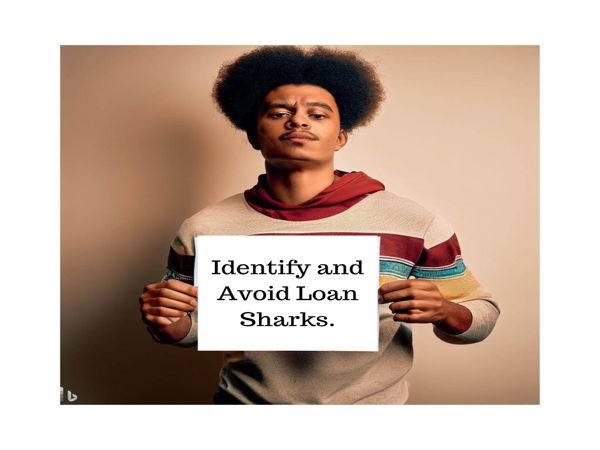
Tunde’s story is a warning to anyone thinking about taking out a quick loan from a loan shark app. What seems like a fast solution to your financial problems can quickly turn into a nightmare. The high interest rates and short repayment periods are designed to trap borrowers in a cycle of debt. The more you extend, the deeper you fall into financial ruin.
If you're thinking about borrowing money, take the time to consider all your options, understand the terms, and make sure it’s the right decision for your financial health. Don’t let a loan app trick you into paying back N1.9 million when you only borrowed N100,000. Plan ahead, avoid high-interest loans, and protect your future.
.jpg)