
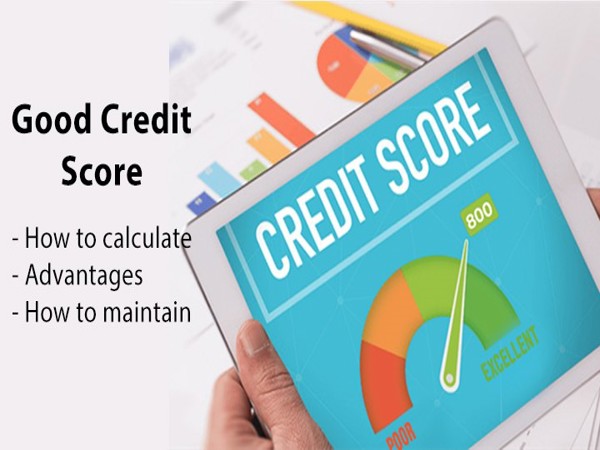
A credit score is a numerical representation of a person's creditworthiness, indicating the likelihood of them repaying loans or meeting financial obligations. It's a key factor that lenders, banks, and financial institutions use to determine whether to approve your loan or credit card application. Your credit score can determine the interest rates you receive on loans, the amount you can borrow, and even your eligibility for certain financial products.
For instance, in Nigeria, your credit score is crucial when applying for personal loans, mortgages, or even business loans. It helps lenders assess how reliable you are in managing debt. The higher your score, the more likely you are to get favorable loan terms, while a low score might restrict access to credit or result in higher interest rates.
How Credit Scores Work
Credit scores are typically calculated based on several factors, such as payment history, credit utilization, the length of your credit history, the types of credit you have, and any new credit inquiries. In Nigeria, the credit scoring system works similarly to other countries, with credit bureaus like CRC Credit Bureau and FirstCentral maintaining credit reports for individuals and businesses.
A typical credit score ranges from 300 to 850:
- Excellent (750-850): You are highly likely to repay loans and may receive the best interest rates.
- Good (700-749): Generally approved for loans with decent terms.
- Fair (650-699): You may still get credit, but with slightly higher interest rates.
- Poor (600-649): Your chances of approval are lower, and if approved, expect high-interest rates.
- Bad (300-599): Limited credit access, high-interest rates, and risk of loan rejections.
Factors That Affect Your Credit Score
1. Payment History (35%)
This is the most significant factor. Lenders want to know if you pay your debts on time. Late or missed payments can significantly impact your score.
2. Credit Utilization (30%)
This refers to how much of your available credit you're using. Keeping your credit utilization ratio below 30% is ideal for maintaining a good credit score.
3. Credit Age (15%)
The length of time you've had credit accounts open matters. Older accounts demonstrate long-term, reliable use of credit.
4. Credit Mix (10%)
Having a mix of different types of credit (credit cards, loans, mortgages) shows lenders you can handle various types of credit responsibly.
5. New Credit Inquiries (10%)
When you apply for new credit, it results in a hard inquiry on your credit report. Too many inquiries within a short period can negatively impact your score.
Why Does Your Credit Score Matter?
Your credit score is important because it directly influences:
- Loan Approvals: A good score makes it easier to qualify for loans.
- Interest Rates: Lower interest rates are typically offered to borrowers with higher scores.
- Credit Limits: The higher your score, the more credit you can access.
- Housing and Renting: Landlords may check your credit score before approving rental applications.
- Business Opportunities: Business loans often require a good credit score, making it easier to expand or start your enterprise.
How to Improve Your Credit Score
Improving your credit score is not an overnight process, but with consistent financial habits, you can see progress over time. Here’s a step-by-step guide to improving your credit score:
1. Pay Your Bills on Time
Timely bill payments are the foundation of a good credit score. Missing a single payment can drop your score significantly, especially if the bill remains unpaid for over 30 days.
Example: If you have a personal loan with monthly payments, always ensure you set reminders or automate your payments to avoid missing due dates. Many Nigerian banks offer automatic debits for loan repayments, which can help keep you on track.
2. Keep Credit Utilization Low
The amount of your available credit that you use directly impacts your score. A general rule is to keep your credit utilization ratio below 30%.
Example: If you have a credit card with a limit of N200,000, aim to keep your balance below N60,000.
Step-by-Step Solution:
- Track your credit card balance regularly.
- Set payment goals to reduce your balance each month.
- Request a higher credit limit if your income allows, but only if you can manage it responsibly.
3. Diversify Your Credit Portfolio
A mix of credit products, such as a mortgage, a personal loan, and a credit card, can positively influence your score. It shows that you can manage different types of credit.
Example: You might have a credit card and decide to take a small personal loan for home improvements. Ensure you make payments on both consistently.
4. Limit New Credit Applications
Applying for multiple loans or credit cards within a short time frame can hurt your score. Each hard inquiry from lenders can reduce your score slightly, so only apply for new credit when absolutely necessary.
Step-by-Step Solution:
- Before applying for a loan, research to find the best offers so you won’t need to apply multiple times.
- Avoid the temptation to take on credit offers that you don’t really need.
5. Dispute Any Errors on Your Credit Report
Sometimes, credit reports contain errors that can hurt your score. Regularly review your credit report and dispute any inaccuracies.
Step-by-Step Solution:
- Get a copy of your credit report from a Nigerian credit bureau like CRC Credit Bureau or FirstCentral.
- Check for any errors, such as incorrect account balances or outdated information.
- Contact the bureau or lender to dispute the inaccuracies and get them corrected.
6. Pay Off Debt Strategically
If you have existing debt, create a repayment plan. Paying off debt not only reduces your credit utilization but also demonstrates financial responsibility.
Example: Start by paying off high-interest debt first, like credit card balances. This will free up more cash for other repayments, helping you reduce overall debt faster.
7. Monitor Your Credit Regularly
By regularly checking your credit score and report, you can keep track of your progress and spot any issues before they become serious. Many financial apps and services provide free credit score monitoring.
Conclusion
Improving your credit score is crucial for accessing better financial products and lower interest rates. By practicing responsible financial habits like timely bill payments, keeping credit utilization low, and diversifying your credit portfolio, you can build a strong credit score over time. Whether you're looking for personal loans, business funding, or simply better credit card offers, your credit score plays a significant role in determining your financial freedom.
.jpg)